Photo of the day

JamieM

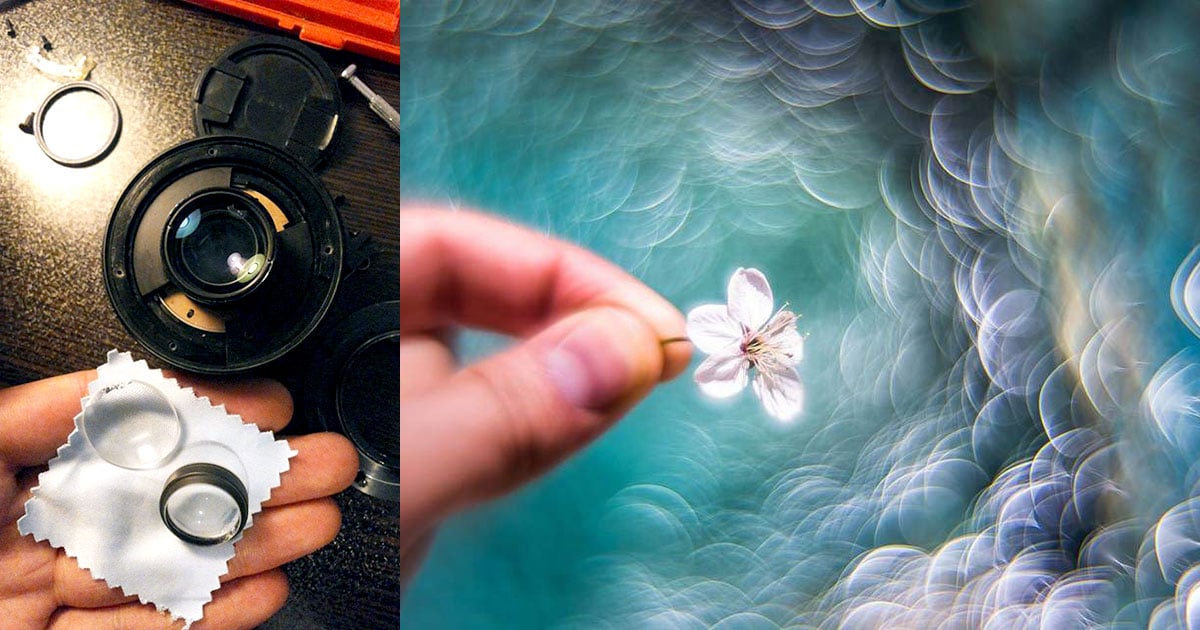
Extreme sharpness is ephemeral!
Amazing glazes,I recently saw a video of these being made,remind me again what the process/effect is called Jamie?
Everything You Need to Know About Tenmoku Teacups

Tenmoku teacups are truly beautiful: understated yet full of hidden detail, their glaze is a work of art. Their shape may be minimalist, but there’s nothing minimalist about the impact they have:
It’s no wonder that they are so highly prized! But how much do you really know about your collection of Tenmoku teacups? To many of us, they are as mysterious as the patterns they hide in their glaze! With that in mind, here are five fascinating facts about Tenmoku teacups:
  1. No Two Teacups Are the Same
Tenmoku teacups are not only prized for their beauty but for their unique variability: no two teacups are the same. The glaze that covers each cup or bowl is made from feldspar, limestone, and iron oxide, and the combination of these chemicals means that the quicker a piece is cooled, the blacker the glaze will be. During the heating and cooling process, it is almost impossible to predict how the myriad of variables will influence the finished result of the glaze, leaving you with a teacup that is entirely, and impressively, unique to you.
  1. Tenmoku is Named After a Mountain
The word Tenmoku is derived from the Tianmu Mountain in Eastern China, where a temple is situated, thought to be the first place that iron glazed bowls were used for drinking tea. The name is broken down as follows: 天目Mandarin: tiānmù; Japanese: tenmoku. In English, the name means Heaven’s Eye, which is no doubt a reference to the beautiful views afforded from the mountain.
The Tenmoku teacup style became popular in China during the Song Dynasty, and in China, it is known as Jian Zhan, with Tenmoku being its Japanese name.
  1. Tenmoku Teacups Are Highly Prized
Yohen Tenmoku tea bowls are considered to be amongst the most highly prized types of Tenmoku tea bowls in the world, and they are incredibly sought after pieces by ceramic collectors. Only three Yohen Tenmoku tea bowls remain in the world, and they are all located in Japan. In 1918, one of these three tea bowls was valued at 168,00 Japanese Yen (that's around $1530) which means that taking inflation into account, it would be worth $15.5 million today! Of course, whilst not all Tenmoku teacups will cost millions of dollars, it is a great indicator of just how prized these beautiful pieces really are.
  1. Tenmoku Teacups Come in Many Colours
When they were first created, the original Tenmoku teacups were produced in dark shades and with the darkest possible glazes. This is because it was felt that the darker colour of the cup was best suited to show off the lighter colour of the tea that was being blended within. Now, thousands of years later, darker cups in shades of brown and blue remain the most popular. But it is possible to purchase a Tenmoku teacup in many colours, including red, green, orange and even yellow.
  1. A Shared Chinese and Japanese Culture
Tenmoku teacups are an integral part of history and culture in both China and Japan. It is believed that in 1406 the Yongle Emperor (1360–1424) of the Ming dynasty sent ten Jian ware bowls to the shōgun Ashikaga Yoshimitsu of Japan, where they became highly prized goods. And with their beauty, mysterious glaze, and charming appeal, it's to see why they attract everyone who sees them.


A Lengthy Process


Just like the clay used to create Tenmoku tea bowls, the glaze that is used has an incredibly high iron content. But first, the crafted and shaped pots are placed in the kiln unglazed: this serves two purposes. Firstly, it strengthens the clay and secondly, it removes any weakened, cracked or fragile parts from the rim of the cup before the glaze is applied.


Now it’s time to glaze, And the glaze is as distinctive as every other part of the Tenmoku teacup: no ordinary glaze will do! Instead, the glazed used is a unique blend of natural iron ore glaze and plant ash.


Once you’ve secured the right glaze blend, applying it is the most skilful and tricky part of the process, and it is what will make your teacup look so stunning. Just the right amount of glaze needs to be applied: a glaze that is applied too thinly will not allow enough room for crystal growth, meaning the glaze won’t have its distinctive pattern. If the glaze is applied too thickly then it will stick and pool at the bottom of the teacup.


Firing Your Teacup


The glaze is applied: your teacup is almost ready, right? Well not quite! Another key element in achieving that distinctive Tenmoku glaze is the way that the cup is fired in the kiln. If the cup is not fired at the right temperature, and then the temperature reduced at exactly the right moment, then the glaze will not achieve its desired colour or distinctive pattern. The more quickly the piece is cooled, the blacker the glaze will be. When it comes to choosing the colour of your tenmoku teacup, the only real limit is your imagination: it is possible to create these cups in shades of orange, red, yellow, white and green, though the most popular colour for Tenmoku teacups is shades of blue.


It is important to note that there is an exact science to creating Tenmoku pottery, and it is very tricky to get right. As a result, the failure rate is very high, and many pots are either damaged during the creation process or rejected because their glaze is not up to the required standard.


The Work of Highly Skilled Craftsman


The craftsman that creates these incredible and highly prized teacups have trained for years to ensure that they are truly beautiful, collectable, and desirable works of art. They are artisans who take pride in the high quality of the work they produce, which is why those pieces of work are so sought after. A collection of Tenmoku teacups will make an ideal centrepiece for any tea party or china display cabinet.


Because of how difficult it is to both create the right glaze, apply it, and then fire it at the right temperature, creating Tenmoku pottery is a skill best left to the professionals. Once you have admired its glaze close-up, you won’t be able to resist adding new pieces of this stunning pottery to your collection.

 

Tortuga

The Spangle Maker
Everything You Need to Know About Tenmoku Teacups

Tenmoku teacups are truly beautiful: understated yet full of hidden detail, their glaze is a work of art. Their shape may be minimalist, but there’s nothing minimalist about the impact they have:
It’s no wonder that they are so highly prized! But how much do you really know about your collection of Tenmoku teacups? To many of us, they are as mysterious as the patterns they hide in their glaze! With that in mind, here are five fascinating facts about Tenmoku teacups:
  1. No Two Teacups Are the Same
Tenmoku teacups are not only prized for their beauty but for their unique variability: no two teacups are the same. The glaze that covers each cup or bowl is made from feldspar, limestone, and iron oxide, and the combination of these chemicals means that the quicker a piece is cooled, the blacker the glaze will be. During the heating and cooling process, it is almost impossible to predict how the myriad of variables will influence the finished result of the glaze, leaving you with a teacup that is entirely, and impressively, unique to you.
  1. Tenmoku is Named After a Mountain
The word Tenmoku is derived from the Tianmu Mountain in Eastern China, where a temple is situated, thought to be the first place that iron glazed bowls were used for drinking tea. The name is broken down as follows: 天目Mandarin: tiānmù; Japanese: tenmoku. In English, the name means Heaven’s Eye, which is no doubt a reference to the beautiful views afforded from the mountain.
The Tenmoku teacup style became popular in China during the Song Dynasty, and in China, it is known as Jian Zhan, with Tenmoku being its Japanese name.
  1. Tenmoku Teacups Are Highly Prized
Yohen Tenmoku tea bowls are considered to be amongst the most highly prized types of Tenmoku tea bowls in the world, and they are incredibly sought after pieces by ceramic collectors. Only three Yohen Tenmoku tea bowls remain in the world, and they are all located in Japan. In 1918, one of these three tea bowls was valued at 168,00 Japanese Yen (that's around $1530) which means that taking inflation into account, it would be worth $15.5 million today! Of course, whilst not all Tenmoku teacups will cost millions of dollars, it is a great indicator of just how prized these beautiful pieces really are.
  1. Tenmoku Teacups Come in Many Colours
When they were first created, the original Tenmoku teacups were produced in dark shades and with the darkest possible glazes. This is because it was felt that the darker colour of the cup was best suited to show off the lighter colour of the tea that was being blended within. Now, thousands of years later, darker cups in shades of brown and blue remain the most popular. But it is possible to purchase a Tenmoku teacup in many colours, including red, green, orange and even yellow.
  1. A Shared Chinese and Japanese Culture
Tenmoku teacups are an integral part of history and culture in both China and Japan. It is believed that in 1406 the Yongle Emperor (1360–1424) of the Ming dynasty sent ten Jian ware bowls to the shōgun Ashikaga Yoshimitsu of Japan, where they became highly prized goods. And with their beauty, mysterious glaze, and charming appeal, it's to see why they attract everyone who sees them.


A Lengthy Process


Just like the clay used to create Tenmoku tea bowls, the glaze that is used has an incredibly high iron content. But first, the crafted and shaped pots are placed in the kiln unglazed: this serves two purposes. Firstly, it strengthens the clay and secondly, it removes any weakened, cracked or fragile parts from the rim of the cup before the glaze is applied.


Now it’s time to glaze, And the glaze is as distinctive as every other part of the Tenmoku teacup: no ordinary glaze will do! Instead, the glazed used is a unique blend of natural iron ore glaze and plant ash.


Once you’ve secured the right glaze blend, applying it is the most skilful and tricky part of the process, and it is what will make your teacup look so stunning. Just the right amount of glaze needs to be applied: a glaze that is applied too thinly will not allow enough room for crystal growth, meaning the glaze won’t have its distinctive pattern. If the glaze is applied too thickly then it will stick and pool at the bottom of the teacup.


Firing Your Teacup


The glaze is applied: your teacup is almost ready, right? Well not quite! Another key element in achieving that distinctive Tenmoku glaze is the way that the cup is fired in the kiln. If the cup is not fired at the right temperature, and then the temperature reduced at exactly the right moment, then the glaze will not achieve its desired colour or distinctive pattern. The more quickly the piece is cooled, the blacker the glaze will be. When it comes to choosing the colour of your tenmoku teacup, the only real limit is your imagination: it is possible to create these cups in shades of orange, red, yellow, white and green, though the most popular colour for Tenmoku teacups is shades of blue.


It is important to note that there is an exact science to creating Tenmoku pottery, and it is very tricky to get right. As a result, the failure rate is very high, and many pots are either damaged during the creation process or rejected because their glaze is not up to the required standard.


The Work of Highly Skilled Craftsman


The craftsman that creates these incredible and highly prized teacups have trained for years to ensure that they are truly beautiful, collectable, and desirable works of art. They are artisans who take pride in the high quality of the work they produce, which is why those pieces of work are so sought after. A collection of Tenmoku teacups will make an ideal centrepiece for any tea party or china display cabinet.


Because of how difficult it is to both create the right glaze, apply it, and then fire it at the right temperature, creating Tenmoku pottery is a skill best left to the professionals. Once you have admired its glaze close-up, you won’t be able to resist adding new pieces of this stunning pottery to your collection.
Cheers fella, very interesting, it was just a, short video on Instagram that I saw of them being loaded into these huge glowing kilns, and the resulting glaze once cooled, very beautiful Jamie😍👌
 
Top